

Indoor vs Outdoor Signage: A Comparison Guide
Signage plays a pivotal role in elevating your brand's visibility and creating a cohesive identity, whether you own a retail store, office space, or a thriving restaurant. With the vast array of signage options available, it can be challenging to determine which type suits your needs best – particularly when comparing indoor and outdoor signs. In this comprehensive comparison guide, we will delve into the characteristics, materials, and design considerations of indoor versus outdoor signage, helping you make informed choices that meet your specific business requirements.
Material Considerations: Durability and Quality for Indoor and Outdoor Signs
When choosing between indoor and outdoor signage, it's crucial to select materials that suit the intended environment and purpose.
Indoor signage materials: For indoor use, materials such as acrylic, PVC, foam board, and aluminium composite panel (ACP) are commonly utilised. Indoor signage typically prioritises aesthetics and cost-effectiveness, as durability is less of a concern due to limited exposure to harsh weather conditions. Outdoor signage materials: Outdoor signs need to withstand varying environmental conditions, including extreme temperatures, wind, rain, and UV exposure. Materials like aluminium, stainless steel, weather-resistant plastic, and marine-grade plywood provide the durability, longevity, and weather resistance necessary for prolonged outdoor use.
Design Factors: Visual Appeal and Contextual Appropriateness
Designing visually appealing and relevant signage requires a consideration of its context, whether it's an indoor or outdoor setting.
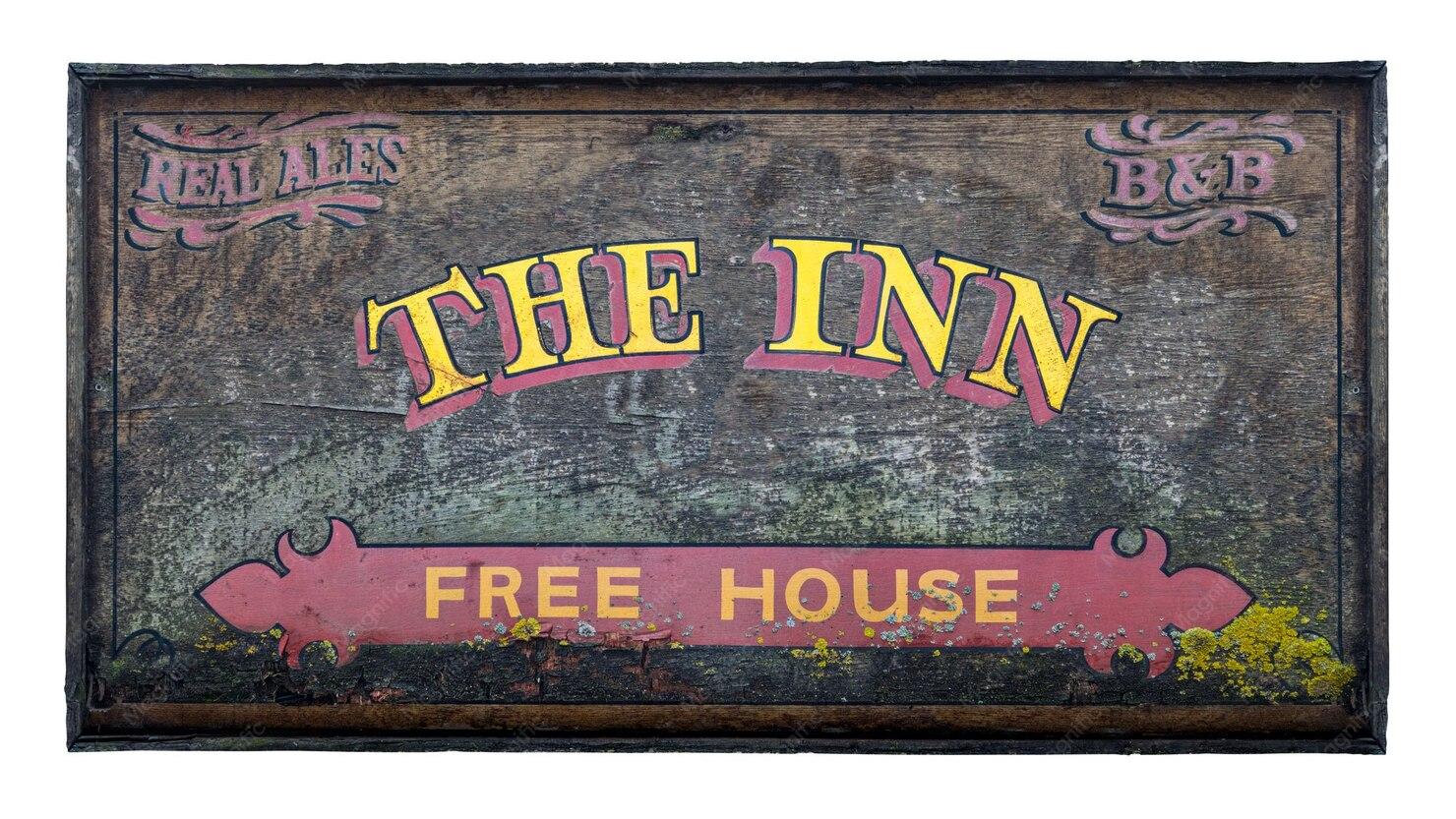
Indoor signs: Indoor signage often focuses on enhancing the overall décor and communicating essential information, such as company branding, directional guidance, or promotional messages. Attention should be given to legibility, style, and colour choice to ensure the signs complement the interiors. Outdoor signs: The primary goals of outdoor signage are to capture attention and increase brand awareness. These signs should be easy to read from a distance, incorporate contrasting colours for optimal visibility, and use weather-resistant and fade-resistant inks or finishes to maintain their visual impact amidst the elements.
Installation and Maintenance: Ensuring Signage Stability and Longevity
Both indoor and outdoor signs require adequate installation and maintenance processes to guarantee their stability and longevity in their respective environments.
Indoor sign installation: Usually more straightforward, often involving mounting on walls or suspending from ceilings. Regular cleaning and occasional inspection can help maintain their aesthetics and functionality. Outdoor sign installation: Necessitates more robust methods, often requiring professional expertise, especially for large or heavy signs. Outdoor signs require more frequent maintenance and inspection to ensure their durability against weather-related damage or fading.
Cost and Budgeting: Balancing Quality and Affordability
Business owners must strike a balance between quality and affordability when allocating budgets for indoor and outdoor signage projects.
Indoor signage costs: Generally more affordable due to the use of lightweight materials with less emphasis on durability. Outdoor signage costs: Investing in outdoor signage often entails higher initial costs, as they require durable materials and robust installation methods. However, the longevity and durability of quality outdoor signage can prove cost-effective in the long run.
Legal and Compliance Requirements: Navigating Regulations and Permits
Depending on the location and nature of your signage, there may be specific legal and compliance requirements to consider for both indoor and outdoor signs.
Indoor signs: Compliance factors are typically less restrictive, though some areas have specific requirements for signage such as emergency exits, accessible facilities, or fire safety equipment. Outdoor signs: More heavily regulated, with various restrictions and permits required depending on the location, size, and type of sign. It's crucial to research local regulations and obtain any necessary permits before installing your outdoor signs.
Understanding the core differences between indoor and outdoor signage, from materials and design considerations to installation and maintenance, enables business owners to make informed decisions and optimise their marketing potential.
Ready to get this printed?
We produce this in-house here in Dorset. Get in touch and we will help you spec it right before anything goes to print.
Related: Rigid boards & signage · Outdoor displays
Make Your Business Online By The Best No—Code & No—Plugin Solution In The Market.
30 Day Money-Back Guarantee
Say goodbye to your low online sales rate!