

Eco-Friendly Printing Solutions: Sustainable Practices Guide
The printing industry has traditionally been associated with a significant environmental footprint, raising concerns about sustainability and the impact on our planet. However, with the rise of eco-friendly printing solutions and a growing focus on sustainable practices, businesses can now make more responsible choices to minimise their environmental impact. This guide brings together frequently asked questions about eco-friendly printing, covering sustainable practices, green printing techniques, and material options available for environmentally conscious clients.
What Are Eco-Friendly Printing Solutions?
Eco-friendly printing solutions refer to printing practices and materials that minimise environmental harm. This can include using environmentally friendly inks, recycled or sustainable paper stocks, energy-efficient equipment, and waste reduction measures. By adopting eco-friendly printing solutions, businesses can lessen their environmental impact while still producing high-quality printed materials.
What Types of Environmentally Friendly Inks Are Available?
Traditional petroleum-based inks have been known to contribute to environmental issues, particularly due to the release of volatile organic compounds (VOCs). However, several sustainable ink alternatives are now available to eco-conscious businesses:
Soy-based Inks: Made from soybeans, soy-based inks are a renewable resource that produces less VOCs than petroleum-based inks. Soy inks also provide excellent colour reproduction and have the added benefit of being easily deinkable during the recycling process. Water-based Inks: Water-based inks use water as the primary solvent, thus significantly reducing VOC emissions. UV-curable Inks: UV-curable inks consist of liquid formulations that solidify when exposed to UV light. They emit negligible VOCs and offer several advantages, such as quick curing times and excellent print durability.
How Does Paper Choice Affect Environmental Impact?
The choice of paper is a crucial factor in determining a print project's sustainability:
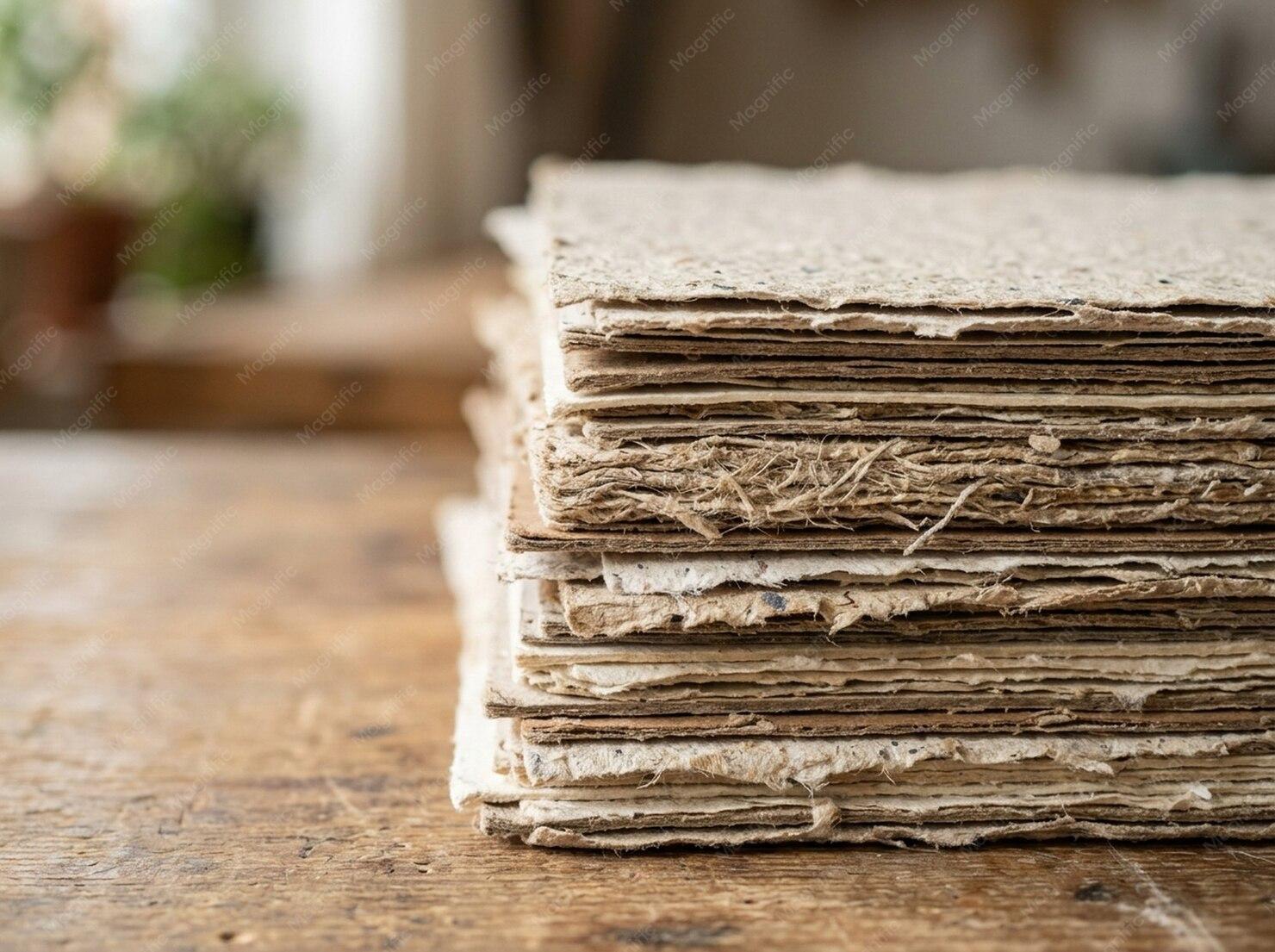
Recycled Paper: Using recycled paper minimises waste and reduces the demand for virgin paper production. The higher the percentage of post-consumer waste (PCW) content in a paper stock, the more environmentally friendly it is. FSC-certified Paper: The Forest Stewardship Council (FSC) certifies paper products sourced from responsibly managed forests. Alternative Fibre Papers: These papers are made from alternative fibres like bamboo, cotton, hemp and other agricultural waste materials, reducing the reliance on traditional wood pulp.
What Printer Technology Is More Environmentally Friendly: Digital or Offset Printing?
Both digital and offset printing have made progress in adopting eco-friendly practices. Comparing the two technologies' environmental impact depends on various factors, such as print run size, ink usage, energy requirements, and waste production.
Digital Printing: Known for its low set-up cost, quicker turnaround time, and on-demand service. Printing smaller orders with digital printing can reduce material waste and energy consumption. Offset Lithography: Ideal for large print runs due to its high print quality and cost-effectiveness. The environmental benefits include utilising vegetable or soy-based inks and working with a wide range of eco-friendly paper stocks.
How Can Print Providers Be More Eco-Friendly in Their Operations?
Aside from choosing sustainable materials and inks, print providers can adopt eco-friendly practices throughout their production process to minimise environmental impacts:
Energy Efficiency: Utilising energy-efficient printing equipment and machinery can significantly reduce energy consumption and greenhouse gas emissions. Waste Management: Implementing waste reduction and recycling programs helps to manage waste efficiently. Carbon Offsetting: Print providers can participate in carbon offsetting programs to counteract their carbon emissions.
How Can Clients Ensure They Are Choosing an Eco-friendly Print Provider?
To choose a print provider dedicated to eco-friendly practices, look for the following indicators:
Environmental Certifications: Check for certifications like FSC, PEFC, ISO 14001 environmental management system, or the GreenPrint accreditation, as these testify to the company's commitment to sustainable practices. Sustainable Materials: Ensure the print provider offers a range of eco-friendly materials, such as recycled or FSC-certified papers and environmentally friendly inks. Transparency in Operations: A responsible print provider should be transparent about their environmental policies, waste management protocols, and energy-efficient practices.
By incorporating eco-friendly printing solutions and sustainable practices into your print projects, you can contribute to a healthier environment and demonstrate your company's commitment to social responsibility.
Ready to get this printed?
We produce this in-house here in Dorset. Get in touch and we will help you spec it right before anything goes to print.
Related: Eco & recycled print · Recycled booklets
Make Your Business Online By The Best No—Code & No—Plugin Solution In The Market.
30 Day Money-Back Guarantee
Say goodbye to your low online sales rate!